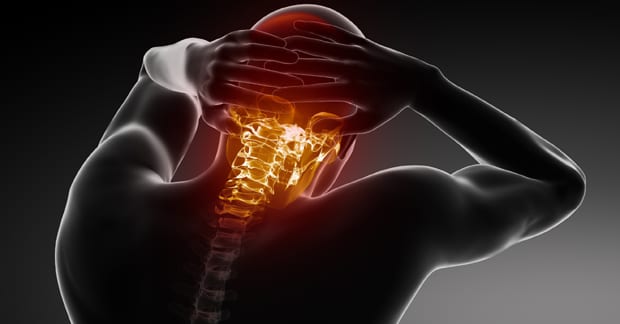
Should You Use Ice Or Heat?

Using heat or ice as a form of treatment is easy, inexpensive, and can be very effective if done correctly.  These forms of therapy, more or less, help control blood flow.  Generally speaking, ice is used to constrict blood vessels with a goal of decreasing inflammation, while heat will increase blood flow and ultimately bring more oxygen to tissues.  Although there are many specific conditions that may require one versus the other, the timing of when each are applied is important.

After an injury you can’t go wrong with ice.  A good example is an ankle sprain.  Your body goes into overdrive to start the repair process and your ankle blows up like a balloon.  Too much inflammation leads to scar tissue.  The same applies to pain that follows activity.  The repetitive motion from that activity leads to increased inflammation.  This process has to be controlled.
Heat therapy increases blood flow.  It will never be used on an acute injury or any other inflammatory related issue.  Unless otherwise prescribed, heat is generally most effective when stiffness is present.  Heat will increase temperature and blood flow which will prepare the body for movement.  This is similar to when you perform a warm-up before more intense exercise.

A Simple Exercise For Neck and Upper Back Pain


Poor posture of the upper back and neck will often result in pain, joint stiffness, and muscle tightness. The cervical spine and the supporting muscles become labored and stressed with a forward head posture. This is a common presentation when the chin protrudes forward rather than remaining in its proper position over the chest. At the spinal level, this can affect the joint movement which may result in wear and tear. An imbalance of the supporting muscles will most often result. The upper trap muscles are among those that become overactive and tight.  In office treatment for neck and upper back pain consists of restoring joint motion and proper muscle function. At home or at work the focus should be taking control of the faulty movement and posture. Here is a good place to start:chin retraction
Chin Retraction:
Sit or stand tall with your arms to your side
Keep your chin parallel to the floor and eyes straight ahead
Retract or “pull in” your chin closer to your chest
Hold position for 6-8 seconds
You will feel stretching on the back of your neck while the muscles under your chin begin to engage. Repeat this 6-8 times throughout the day.
For more information contact Shaw Chiropractic & Sports Injury Center at (515) 987-6332 or visit our website at www.shawchiroandsport.com.

What Position Do You Sleep In?

sleep
I almost always ask a patient what position they sleep in. No matter what the condition. It’s not because I assume that the way they sleep could be causing their problem, but it could be one of the many factors that don’t allow their body to recover like it should. If my goal is provide fast, long lasting relief than all factors need to be considered and sleep position can be a big one. Here is a general rule:
For the majority of people the recommendation is to sleep in a position that keeps your spine and hips in a neutral position. In simpler words, keep everything aligned. Positions that pass this test are sleeping on either side with a pillow or roll between your legs or sleep on your back. For some, sleeping on your back may require a pillow or roll under the knees depending on how much mobility is lacking in the front part of the hips.sleep position

With all that being said, others may receive a different recommendation if they are dealing with specific conditions or have other deficiencies. For example, certain conditions of the shoulder or hip may not warrant side sleeping. Or in rare cases, a patient with a lumbar disc issue may benefit from sleeping on his or her stomach. Be aware that if you are waking up with increased pain, your sleep position may have to be modified.
Shaw Chiropractic & Sports Injury Center serves Des Moines, Clive, Waukee, and surrounding communities.  For more information call (515) 987-6332 or visit shawchiroandsport.com

What You Need to Know About Carpal Tunnel Syndrome

wrist painCarpal Tunnel Syndrome (CTS) is one of the most common causes of median nerve entrapment.  The tunnel itself lies between the transverse carpal ligament and the bones of the wrist.  Along with several tendons, the median nerve must travel through this tunnel.  When this space becomes compromised and the nerve is affected it is known as CTS.

The thumb, index, and middle finger on the palm side can become symptomatic.  Symptoms could include numbness,carpaltunneltingling, pain, and weakness.  Early signs may include a feeling of having to shake the hand to “wake it up”.  The nerve can become permanently damaged if left untreated.
The most common cause of CTS is overuse of the hands and wrist.  This can include things like computer work, sewing, and playing a musical instrument.  Other risk factors can include age, obesity, pregnancy, and diabetes.
Although we are discussing the carpal tunnel, the median nerve can also be compromised at other locations.  When treating a patient with median nerve symptoms, we also have to consider the neck, shoulder, elbow, forearm, and thumb, along with the carpal tunnel, as possible entrapment sites.
The most common treatment for median nerve entrapment used in the office is manual therapy which includes soft tissue and nerve release, and in some cases joint mobilization.  Other considerations may include naturally reducing inflammation, splinting, and ergonomics.
Shaw Chiropractic & Sports Injury Center serves Des Moines, Clive, Waukee, and surrounding communities.  For more information call (515) 987-6332 or visit shawchiroandsport.com.

Understanding Soft Tissue Injuries

ARTSoft tissues are muscles, tendons, ligaments, nerves, and fascia.  They can become injured for different reasons including an acute episode as well as a repetitive or cumulative trauma.  Whether the tissues are recovering from an acute injury or under constant demand from repetition they respond in similar ways, they lay down scar tissue.  This is our body’s way of repairing and healing itself.
Cumulative injury
Unfortunately this scarring changes the normal function of the tissue along with its surrounding tissues.  It can cause them to become shorter and weaker.  This scarring can also lead to tendon dysfunction which may lead to tendonitis, and can also cause nerve entrapment.
Active Release Technique (ART®) is designed to identify and address scar tissue adhesions that are interfering with the normal strength and flexibility of the body, not simply stretch out the muscles.  As an ART® practitioner I assess the texture and tension of the tissue to determine if the tissue is healthy or contains scar tissue that needs further treatment. When scar tissue adhesions are felt the amount and direction of tension can be modified to treat the problematic area.  ART® treatment is performed on most patients as soft tissue dysfunction is usually present.
Shaw Chiropractic & Sports Injury Center serves Des Moines, Clive, Waukee, and surrounding communities.  For more information call (515) 987-6332 or visit shawchiroandsport.com

Can Tight Hips Cause Low Back Pain?

The short answer to this is yes, tight hips can cause pain in the lower back.  We can dig a little deeper into this question to shed light on when it becomes a larger factor in causing and slowing recovery of a painful condition or episode.

Mechanical lower back (that is nothing is broken or torn) is most commonly the result of one of two things.  The first is from underuse or being sedentary.  The second is overuse or repetitive use.  The latter will more likely be affected by lack of motion in the hips.  Our body is smart in that if it can’t get motion from one joint it will take it from another.  The hip and low back relationship is a perfect example of that.  The hip joint is meant to have a tremendous amount of motion.  When the joint is restricted or tight the body may compensate by relying on more motion from the lower spine.  Over time this could result ingolfersymptoms.   Some good examples of this could include a golfer or a throwing athlete who rely on a lot of hip mobility (among other things) to swing or throw.  Another example is simply walking.  Walking only requires about 15 degrees of hip and pelvic rotation, which nowhere close to full motion but it is often found that that much restriction exists in some low back cases.  This hip and back relationship is a perfect example of why we always look above and below the area of pain when evaluating.  In cases where the hip is a contributing factor to low back, treatment to that area must be employed to fully resolve the condition.

Conservative Treatment for Rotator Cuff and Other Shoulder Injuries

Shoulder-pain2The shoulder is designed to allow a lot of movement.  It is a ball and socket joint, which allows for a wide range of movements.  A lack of this motion or a faulty movement can develop into pain or injury.  Many people with shoulder issues are surprised when they learn that many conditions, including rotator cuff injuries, can be treated conservatively.

The rotator cuff is a group of four muscles.  They originate from the scapula (backbone) and attach to the head ofrotatorcuffhumerus (upper arm).  Although they do assist with shoulder movement, the main job of the rotator cuff is to stabilize and control the joint.  For this reason healthy tissue with optimal muscle balance is needed to keep the joint
healthy and pain to a minimum.
When a painful shoulder presents to the office one of the most important components of the examination is to determine if it can be treated conservatively.  This is done through a series of tests.  If any red flags or concerns are present than further imaging or a referral is needed.  Most often, shoulder conditions, including rotator cuff problems, can be treated conservative and respond very well.
Conservative treatment will often consist of multiple approaches.  Soft tissue treatment is the most common hands-on method of treatment as muscle, tendon, or ligament dysfunction will be present.  Active Release Technique is the gold standard in soft tissue treatment.  Manipulation or mobilization to shoulder joint may also be needed in some cases.  Other treatment considerations could include exercise, stretching, taping, or modifications to exercise or other activities currently being performed.
Shoulder diagnoses that often present to our office may include rotator dysfunction, sprain/strain, impingement syndrome, bursitis, frozen shoulder, and tendonitis.

Lift With Your...

Most people know that you are not supposed to lift with your back. However, from this knowledge the saying “lift with your knees not your back” has evolved. Unfortunately, that’s only partially correct as this information alone can cause serious consequences to our knee joints down the road if this becomes the habit. There is a better way to lift.

When your body does any movement, as a whole your joints are the hinges that allow that movement. When it comes to lifting, the best advice is to use your hips as your main hinge. The same movement should be repeated when you rise from a chair, get out of your car, or bend over to brush your teeth. Before it becomes a normal everyday subconscious movement it has to be practiced consciously.
• Sit up straight at the edge of your chair with your feet on the floor
• Keep your sternum (breast bone) up towards your chin
• Slightly lean your torso forward from the hips instead of the spine
• Use your legs to lift your body to a standing position
If this is challenging practice standing up from a higher surface like the arm of a couch.
(A) correct (B) incorrect

How Your Feet Can Effect The Whole Body

With most painful conditions, a whole person approach, at least to a degree, should be taken. With that in mind we sometimes have to consider the feet and how they can have a tremendous effect on the rest of the body.

Did you know that the foot consists of 26 bones, 33 joints (20 of which are freely movable), and more than 100 muscles, tendons (the attachments of muscle to bone), and ligaments (strong, non-elastic structures that hold bones together)? The foot can be subdivided into three regions: the hindfoot (ankle and heel), midfoot (5 irregularly shaped bones that form the main arch of the foot), and forefoot (the 5 toes and metatarsals, or long bones, that connect the toes to the midfoot). Also important is that the foot has not one, but two arches – the medial longitudinal arch (the one we all know about on the inside of the foot) and the metatarsal arch (which runs across the forefoot commonly referred to as “the ball of the foot” at the base of the toes). Both are important, as they absorb shock when we walk and run!
Because we stand on two legs, everything from the feet upwards is at the mercy of the position and the function of our feet! That means if one leg is short, if one foot rolls in (pronates) more than the other, and/or if a fracture of a long bone of the leg occurs especially while we are growing, the spine will sit on a crooked foundation. When this occurs, the spine typically has to bend to compensate for the unleveled pelvis, which can result in scoliosis. When scoliosis occurs, the vertebrae (the “building blocks” of the spine) tilt and rotate, and this “domino effect” continues as it moves up the spine. Since our body can compensate for a while, we may not even notice anything is wrong, but sooner or later, its ability to compensate fails and problems begin to surface. This is why we recommend checking children for leg length inequality. One study reported 32% of 600 military recruits had a 1/5th to 3/5th of an inch difference between leg lengths! A simple heel lift placed in a shoe can remedy this problem so let us check you and your family!
In addition to leg length imbalance, ankle and/or forefoot pronation (rolling in of the foot) can create problems as we ascend the body or “kinetic chain” (think of the body as a chain and each link is a joint from the feet upwards). When pronated, the foot is more likely to have a reduced or lost medial arch and an ankle that rolls inwards. When this occurs, the knee may then “knock” inwards as the hip shifts outwards, resulting in an unstable pelvis. Ankle pronation may be on one or both sides and it‘s often NOT symmetrical, which can cause an imbalance between the two sides. Think of a card table with the legs partially folded in – the table top is shaky and unsteady. This is the net result of ankle/foot pronation – the pelvis is shaky and unstable making the spine less stable (like a house sitting on a weak foundation).
Low back pain (LBP) will affect up to 85% of all of us at some point in life. There are MANY studies that have reported LBP improvement from using foot orthotics that realign the ankle/foot to stabilize the kinetic chain. Balance is also altered when ankle/foot pronation is present and foot orthotics have been found to have an immediate positive benefit for patients with poor balance. The #1 cause of injuries in the elderly is from falling, which is due in part to the fact that we lose our ability to balance as we age.
Shaw Chiropractic & Sports Injury Center serves Des Moines, Clive, Waukee, and surrounding communities.  For more information call (515) 987-6332 or visit shawchiroandsport.com

Two Common Cumulative Trauma Disorders

Carpal Tunnel Syndrome (CTS) belongs to a group of disorders referred to as “cumulative trauma disorders,” or CTDs. The word “cumulative” refers to the cause being repetitive motion, usually fast and prolonged. Over time, the wear and tear on the upper extremities accumulates and symptoms begin to occur and possibly worsen. This can result in changes in movement intended to avoid further injury that then overstress another part of the arm, which can lead to a second injury. Like dominos, injury after injury can eventually result in multiple conditions between the neck and hand. Let’s take a look at two common CTDs…

Carpal Tunnel Syndrome (CTS) is the most well known of the CTDs because the thumb, index, third, and fourth ring finger comprise 90% of the hand’s function. This part of the hand is innervated by the median nerve that travels through the carpal tunnel at the wrist. When injured, it can make fine motor movements, like tying your shoe, difficult-to-impossible! Our grip strength is also greatly affected by a pinch of the median nerve, so dropping coffee cups, difficulty removing a gallon milk jug from the refrigerator, and the ability to lift and carry are all compromised. Some risk factors for CTS include: 1) Age over 50; 2) Female gender; 3) Obesity; 4) Working in a highly repetitive motion type of job (assembly line work, meat/poultry plants, typing); 5) The presence of other CTDs such as forearm, wrist, or hand tendonitis; and 6) Metabolic conditions such as thyroid disease (hypothyroidism), diabetes, rheumatoid arthritis, and more. Management strategies include: 1) Night use of a wrist splint (i.e., rest); 2) chiropractic manipulation of the small joints of the wrist and hand, and often, the elbow, shoulder, and neck; 3) Muscle and tendon myofascial release / mobilization techniques; 4) Management of any underlying metabolic condition (like hypothyroid disease and diabetes); and 5) Anti-inflammatory measures (ginger, turmeric, boswellia, bioflavinoids, vitamin B6, ice massage over the palm side of the wrist). NOTE: Recent studies have reported the use of NSAIDs — non-steroidal anti-inflammatory drugs like Advil (ibuprofen), Aleve (Naproxen), and aspirin — can interfere with and prolong the healing process. Chiropractic care may also include the use of modalities such as low level laser therapy, pulsed magnetic field, ultrasound, and/or electrical stimulation. Your doctor may order an EMG/NCV (electromyogram/nerve conduction velocity) if the case is not responding appropriately. Surgical intervention is the LAST RESORT but frequently, conservative chiropractic care yields satisfying results!
Cubital Tunnel Syndrome (Ulnar Nerve Entrapment – UNE): This is similar to CTS but it involves the ulnar nerve being pinched at the inner elbow (near where the “funny” bone is located). The big difference here is that the numbness/tingling involves the pinky side of the fourth and fifth fingers (NOT the thumb, index, third, or thumb-side of the fourth finger). Remember, you can have BOTH CTS and ulnar nerve entrapment (UNE) at the same time, in which case all five fingers may be involved. Causes are similar as CTS, but a more recently identified cause is called “cell phone elbow” due to the prolonged elbow flexed/bent position while using a phone. An overnight splint keeping the elbow straight as well as a wrist splint can be very effective. Otherwise, the treatment is similar to that described for CTS and it is frequently easily managed with non-surgical chiropractic care!

Shaw Chiropractic & Sports Injury Center serves Des Moines, Clive, Waukee, and surrounding communities.  For more information call (515) 987-6332 or visit shawchiroandsport.com

Management of Tension Headaches

Headaches (HA) can significantly alter a person’s quality of life. Moreover, they can interfere and sometimes even prevent an individual from performing important activities such as going to work, attending school, or participating in group activities such as sports, music programs, holiday gatherings, and more. The focus of this month’s Health Update is on Tension-Type Headaches (TTH), a common “primary headache” with tremendous socioeconomic impact.
Compared with migraine headaches, tension-type headaches are actually more common and can be equally as disabling. A recent study reviewing popular treatment approaches for TTH reported that establishing an accurate diagnosis is important prior to beginning treatment and finding “…non-drug management is crucial.” Recommendations regarding treatment also include becoming educated about TTH, obtaining reassurance, and identifying trigger factors that can precipitate a TTH. Psychological treatments with scientifically-proven benefit include relaxation training, EMG biofeedback, and “cognitive-behavioral therapy” (CBT). Physical therapy, chiropractic, and acupuncture are widely used, but further research supporting these approaches is needed. The researchers state “simple analgesics” are the primary drug choice for TTH, but they strongly oppose the use of combination analgesics, triptans, muscle relaxants, and opioids, “….and it is crucial to avoid frequent and excessive use of simple analgesics to prevent the development of medication-overuse headache.” They state that the tricyclic antidepressant amitriptyline is “drug of first choice” when treating chronic TTH, but they point out side effects can be significant, thus hampering their use. The researchers conclude that the treatment of frequent TTH is often difficult, and multidisciplinary approaches can be helpful. THIS IS WHERE CHIROPRACTIC FITS IN! These researchers state that non-drug approaches as well as medications “…with higher efficacy and fewer side effects [are] urgently needed.” They advise that future studies need to focus on optimizing treatment programs to best suit the individual patient utilizing psychological, physical, and pharmacological-treatment approaches.
So, what can chiropractic bring to the table in this “team” treatment approach? First of all, it is non-drug oriented, the need of which clearly was emphasized in this study. Second, the presence of muscle tension at the base of the skull/top of the neck can be addressed VERY SPECIFICALLY with spinal manipulation of the cervical spine, active release, myofascial release, trigger point therapy, manual cervical traction, and more! Third, the use of NON-PRESCRIPTION nutrients such as ginger, tumeric, boswellia, Bromelain, white willow bark, fish oil/omega-3 fatty acids are all non-drug (with fewer potential side effects) options that facilitate in controlling inflammation. Using a home cervical traction device can also be VERY HELPFUL! Specific exercise training aimed at muscle relaxation, stretching, and strengthening (especially the deep neck flexors) can ALL BE MANAGED by a doctor of chiropractic!!!
Shaw Chiropractic & Sports Injury Center serves Des Moines, Clive, Waukee, and surrounding communities.  For more information call (515) 987-6332 or visit shawchiroandsport.com

Chiropractic Management of Neck Pain

sitting-at-a-computerNeck Pain is a very common condition that drives many patients to seek chiropractic care. Treatment planning typically includes four primary goals: 1) Pain Management; 2) Structural Realignment; 3) Functional Restoration; and 4) Maintenance / Prevention.

1) PAIN MANAGEMENT: Getting rid of pain is the primary focus of ALL patients in the early stages of a neck injury. If we use the acronym “PRICE” (Protect, Rest, Ice, Compress, and Elevate), the first three apply when it comes to neck pain. We “protect” our neck by avoiding or changing the way we go about doing things such as our sleep position (this often prompts a “proper pillow discussion”), adjusting the outside rearview mirrors of our car (if you flair the outside mirrors outwards, it opens up the “blind spots” and may prevent a collision, especially if you cannot rotate your neck very far), and modifying other ADLs (activities of daily living).


The bottom line is: if an activity creates a sharp pain sensation, it is a “warning sign” to modify or stop WHATEVER it is that you’re doing. Wearing a cervical collar for a SHORT duration of time can qualify for both “Protect” and “Rest.” Try resting your neck on a pillow when reading or watching TV, as it allows the neck muscles to rest. A cervical traction device can help reduce muscle spasm, improves flexibility (range of motion), and reduce pain. Alternating “Ice” and heat can be even more effective, as it “PUMPS” out inflammation or swelling.

Heat is also a good natural muscle relaxant and ice reduces swelling (inflammation), both of which can help reduce pain. There really is no hard and fast rule as to how long you should continue using ice (days, weeks, or months) – if it helps, use it (unless you are hypersensitive and frostbite easily, in which case limit the ice time). However, heat can worsen a condition if it’s applied too soon or too long. Anti-inflammatory herbs like ginger, turmeric, boswellia, and others are very effective and actually may be BETTER than ibuprofen, Aleve, or aspirin. Recent studies indicate that there may be a delay in healing when over-the-counter pain medications are used, and the recommendation is to AVOID these drugs so healing won’t be delayed!

2) STRUCTURAL REALIGNMENT: The goal here is to improve (to the best of our ability) faulty bony misalignments that frequently exist in the neck, upper, middle back as well as the low back, as all can contribute to neck pain. This is also a great long-term goal, as it may help PREVENT future episodes of neck pain.

There is a natural process of aging called osteoarthritis that none of us can avoid, but allowing faulty curves and bony misalignments to persist may actually accelerate this degenerative process! Your Chiropractor may have you lie on a tightly rolled up towel (a frozen water bottle often feels even better) placed behind the neck and when it’s comfortable, performing this on the edge of the bed is a great way to re-educate a reversed cervical curve (and, it feels GREAT!). Even a heel lift in the shoe of a short leg can help the neck! Spinal manipulation, manual mobilization techniques, and trained exercises all address this treatment goal quite effectively!

Shaw Chiropractic & Sports Injury Center serves Des Moines, Clive, Waukee, and surrounding communities.  For more information call (515) 987-6332 or visit shawchiroandsport.com

Why Nighttime Pain with Carpal Tunnel?

Chiropractors are often asked, “Why does Carpal Tunnel Syndrome (CTS) bother me so much during the night?” Let’s take a look!
The carpal tunnel is made up of eight small carpal bones that bridge the forearm to the hand. Without these eight little bones, the motion at the wrist would be very restricted and limited to bending a little bit up and a little bit down. Think of all the things you are able to do with a large range of motion at the wrist like tightening a small screw by hand, pulling on a wrench, using a hammer, working under the dash or inside the engine compartment of a car, threading a needle, sewing, knitting, crocheting, and even washing dishes. As you can see, we put our wrists in some pretty strange positions!
Look at the palm-side of your wrist and wiggle your fingers. Do you see all that activity going on? Now, move your eyes slowly towards the elbow as you keep moving your fingers. It is pretty amazing how much movement occurs near the elbow just by moving the fingers! There are actually nine tendons that travel through the carpal tunnel, and these tendons connect your forearm muscles to the fingers. That’s why there is so much movement in the upper half of the forearm when moving your fingers, and in people with CTS, these muscles are usually overworked and super tight. This is why chiropractors work hard to loosen those muscles during treatment! These nine tendons are covered by a sheath, and friction between the tendon and the sheath is reduced by an oily substance called synovial fluid. When we repetitively and rapidly move our fingers, the friction that builds up produces heat, and if the oily synovial fluid can’t keep up, swelling occurs.
Any situation where there is increased swelling in the body can also promote CTS. For example, during pregnancy, hormonal shifts can result in a generalized swelling similar to taking BCP’s (birth control pills). Hypothyroid results in edema or swelling referred to as “myxedema” that can cause or make CTS worse. Some of the inflammatory arthritis conditions such as rheumatoid, lupus, scleroderma, and more can also predispose one to developing CTS. Obesity by itself is a risk factor for similar reasons.
So, why are we so susceptible to CTS symptoms at night? The main reason is that we RARELY sleep with our wrist in a straight or neutral position. We like to curl up in a fetal position and tuck our hands under our chin, bending the wrist to the full extent (90°). By doing so, the pressure inside the wrist “normally” doubles, but in the CTS patient, the pressure can increase by six times! This pinches the median nerve against the ligament that makes up the floor of the tunnel as it travels through the carpal tunnel, which then wakes us up and we find ourselves shaking and flicking our fingers to stop the numb, tingling, burning, pain that commonly occurs with CTS! This is why we prescribe a wrist brace for nighttime use and it REALLY helps! DON’T JUMP TO SURGERY FIRST – TRY CHIROPRACTIC FIRST!
Shaw Chiropractic & Sports Injury Center serves Des Moines, Clive, Waukee, and surrounding communities.  For more information call (515) 987-6332 or visit shawchiroandsport.com

Headaches: Causes and Cures


iStock_000015143546Large 620x324

Chronic headaches are a mystery to most of us. Why they occur seems to be the most common question. Some patients’ headaches can be easily explained, but many seem to get headaches for no apparent reason. An often overlooked cause of headaches is the spine and spinal trauma. How does this occur?
Delicate attachments of connective tissue link muscles in your neck areas around your spinal cord. One theory is that tensions can develop in these structures producing head pain. Another possibility to consider is that of forward head posture.
Forward head posture is present when the head is thrust forward in the classic bad posture pose (a little like a turtle neck). This can take out the natural curve in the neck. Since the head is quite heavy (10-14 lbs), the muscles have to counter this weight. When the neck muscles resist the load of the head, they can develop tensions, knots (trigger points) and sometimes spasms. Normally the head is more balanced over the shoulders.
Another cause for headaches is a joint injury/sprain that can occur after whiplash trauma. Over time this may lead to joint blockage where there is not the normal free and fluid motion from side to side. Many times other joints must compensate for this lack of movement with hypermobility. Your muscles can become tense in these areas to protect the spine from unnatural movements.
Since these types of disorders are so common in society they should be ruled out before leaning towards using medications over the long term. It is always important to have an accurate diagnosis before proceeding with treatment. If your headaches have become chronic and just never seem to go away, it is a sign that you are not getting at the cause of the problem.
Correcting neck disorders when they occur is always a best bet. But when a headache seems to come out of nowhere and there is a history of neck trauma in your past, the neck can and should be a part of your headache management strategy. At the minimum, the neck needs to be examined.
Chiropractic care has been shown in multiple clinical trials to help patients with both tension-type and migraine headaches. In these studies, the neck or cervical spine is adjusted based on local problems of poor posture and mobility.
This type of treatment does not carry with it the common risks of side effects seen with prescriptions.
Shaw Chiropractic & Sports Injury Center serves Des Moines, Clive, Waukee, and surrounding communities.  For more information call (515) 987-6332 or visit shawchiroandsport.com

Back Pain and Posture

Low back pain (LBP) is one of the most common ailments that chiropractors treat. That’s probably because MOST of us will suffer from low back pain that requires outside help at some point in our lives! Posture has long been studied as a potential cause of low back pain, and this month’s topic will take a closer look at some recent research discussing this issue.
A December 2014 study looked at low back posture in two groups of LBP patients and its relationship with problems associated with intervertebral disk diseases. Looking at a person from the side, have you noticed that the low back area has an arched or inward curve? This is called the “lumbar lordosis” (or, the “sway back” area), and this can be highly variable in terms of the angle or amount of arch. It normally differs between males and females. Degenerative disk disease (DDD) is a common condition affecting virtually all of us at some point in time. DDD results in narrowing of the disk spaces, which there are five total in the lumbar spine (twelve in the thoracic spine/mid-back, and six in the cervical spine/neck). One particular study evaluated a group of 50 patients with long-term intractable (chronic) low back pain with intervertebral disk disease and a group of 50 chronic LBP patients without DDD that served as a “control group.” Researchers measured the degrees of lordosis, or amount of curve (lumbar lordosis), by looking at the person from the side using two different methods in the two patient groups and compared the data. The group with degenerative disk disease had an overall reduction in the lumbar lordosis curve (less arched) using both methods of measuring. The authors concluded that the patients with intervertebral disk lesions had a straighter, or more flat curve (less sway back), when compared to those without disk degeneration. What they were unable to determine was which came first, the disk degeneration or the reduction in the lumbar lordosis?
This study points out several important points. When treating patients with low back pain, some patients feel better when placed in a bent forwards position, or they favor a flat low back curve. Others have the opposite response, or their position of preference favors a more curved (arched) lower spine. The reason for this difference is that LBP is generated from different tissues in the low back, and some tissues favor or feel better in one position and typically feels worse in the opposite direction when injured. The intervertebral disks in the spine lie between the vertebral bodies and serve as “shock absorbers” for the spine and trunk. The center, or “nucleus,” of the disk is liquid-like and is usually well contained inside the disk, held by a tough, outer fibrocartilage material (the “annulus”). The disk is approximately 80% water, and as we age, the water content gradually reduces and the disk spaces narrow, thus limiting the mobility of that part of the spine. More importantly, DDD usually narrows the size of the canals through which the spinal cord and nerve roots travel. When we bend forward, these canals open up wider placing less pressure on the nerves and/or spinal cord. This is why we often see elderly people leaning on grocery carts when shopping, as it hurts less and they can walk longer / farther. Those with herniated disks tend to be the opposite, as they favor bending backwards as this position shifts the nucleus or liquid center forwards and away from the nerve root thus reducing the pinched nerve resulting in less or complete elimination of radiating leg pain.
We realize you have a choice in whom you consider for your health care provision and we sincerely appreciate your trust in choosing our service for those needs.  If you, a friend, or family member requires care for back pain, we would be honored to render our services.
Shaw Chiropractic & Sports Injury Center serves Des Moines, Clive, Waukee, and surrounding communities.  For more information call (515) 987-6332 or visit shawchiroandsport.com

Look Above and Below With Knee Pain

Knee-PainWhen dealing with any type of knee problem we need to understand the relationship that the knee has with the other joints in the body, particularly the hip and the foot.  It can be said that the knee is caught between the foot and the hip, and as such the foot, knee, and hip make up what is known as a kinetic chain.  In fact, many of the muscles that act at the knee also cross either the hip or ankle joint. As a result of this relationship, with any knee problem both the foot and hip must always be closely examined as an abnormality in either area will greatly influence problems at the knee.
A common example of how the knee is influenced by the kinetic chain occurs in someone whose foot excessively pronates.  Hyper-pronation of the foot occurs when the foot excessively rolls inward, causing the foot to flatten out when walking and running. This will also cause the lower leg to rotate inwards, which in turn will result in a twisting stress at the knee.  Not only will this result in injury to the knee joint itself, but it will also strain the muscles of the knee, hip, and foot as they have to work even harder in an attempt to control the excessive strain and combat the effects of the hyper-pronation. This will greatly magnify the effects of the repetitive strain cycle, further leading to knee dysfunction and injury.  As you can see, even though pain may be at the knee the entire kinetic chain must be evaluated and treated to fully resolve the condition.


Shaw Chiropractic & Sports Injury Center serves Des Moines, Clive, Waukee, and surrounding communities.  For more information call (515) 987-6332 or visit shawchiroandsport.com


Much Needed Motion In The Thoracic Spine

Thoracic-SpineYour thoracic spine starts just below your neck and continues to the level just above your belly button.  It consists of 12 vertebrae and also articulates with all 12 sets of your ribs.  Although I never want to only focus on a single area of the body, movement here is crucial.
bad_posture


When talking about correcting bad posture, focusing on reversing the posture that you assume for the majority of your day is key.  Think about being hunched over your computer all day.  By putting emphasis on restoring that joint motion will help with the negative effects of prolonged sitting.
Adequate movement in the thoracic spine is essential for overhead athletes (among many other things).  For the shoulder to function properly the position of the thoracic spine is important  The best position is tall and extended, which requires the joints to be mobile to get there.
Here are two exercises to improve thoracic spine mobility.
Level 1- Seated Thoracic Mobilization
While sitting in a chair, place a rolled up towel behind your mid-back.  Pull your left knee toward your chest.  With your hands behind your head, stretch backward by extending at the spine over the towel.  Hold for three seconds and relax.  Repeat 8-10 times.
Seated thoracic mob
Level 2- Foam Roll Thoracic Extension
Lie with your upper back across foam roll.  Bride up so only your feet are on the ground.  Gently lean back over the foam roll while you roll the foam roller over a 4-5 inch section of your thoracic spine.  Return to the start position.  Repeat 8-10 times.
Foam roll thoracic spine
Shaw Chiropractic & Sports Injury Center serves Des Moines, Clive, Waukee, and surrounding communities.  For more information call (515) 987-6332 or visit shawchiroandsport.com.

Scapular Stability

Balance
The muscles that support the scapulae (shoulder blades) play a big role in neck and upper extremity health and function. Weakness or faulty movement of the scapulae contribute to abnormal stresses to the structures of the shoulder including the rotator cuff, as well as contribute to recruitment of other muscles.  This becomes a compensation pattern that can lead to overuse and pain.

This concept is similar to abdominal stability.  Those that suffer from low back pain or a lower extremity injury may lack sufficient stability through the abdominals which may have been a contributing factor.push up plusknees under your hips and hands under your shoulders).  While keeping your elbows straight, lower your chest towards the floor and feel your lower shoulder blades slide together.  Press up and feel your shoulder blades begin to separate.  Press up until your shoulder blades separate as far as possible and your back stays straight and moves up towards the ceiling.  Repeat.  Perform 10 repetitions.  These can be performed twice per day.

The Push-up plus is an exercise to strengthen the muscles that stabilize each scapula and facilitate proper movement.
Begin on all fours (
Fine tune this exercise by maintaining ideal posture.  Keep your chin tucked with your head in line with your spine.  Avoid shrugging your shoulders up towards your ears.  Hold your spine neutral and breathe normally.  If this exercise is difficult it can be modified with less resistance by standing with your palms against the wall.
Shaw Chiropractic & Sports Injury Center serves Des Moines, Clive, Waukee, and surrounding communities.  For more information call (515) 987-6332 or visit shawchiroandsport.com

Repetitive Soft Tissue Injuries

When talking about injuries there are 2 major types – acute and repetitive. Acute injuries occur following a single event, such as a fall or hard collision. Repetitive injuries, like the name implies, occur slowly over time as a result of performing the same motion over and over again.

Over time the soft tissues will become strained and fatigued, and can develop small amounts of injury known as micro-trauma. Simply stated, micro-trauma is very small scale damage that occurs in the muscles, fascia, and ligaments in response to small levels of strain. Initially this micro-trauma is not painful, but may be perceived as a mild ache or tightness in the muscles or at the heel where these muscles attach. Even though it is only small, this damage still needs to be repaired. The body responds to soft-tissue injury (including micro-trauma) by laying down small amounts of scar tissue to repair the injured tissue. Unfortunately, over time, this scar tissue will build-up and accumulate into what are known as adhesions. As these adhesions form, they start to affect the normal health and function of the muscles. In fact, they will often lead to pain, tightness, lack of flexibility, muscle weakness, compromised muscle endurance, restricted joint motion, and diminished blood flow.  This places even further strain on the back muscles, which in turn leads to even more micro-trauma. Essentially a repetitive strain injury cycle is set-up causing continued adhesion formation and may eventually lead progressive joint dysfunction. At this point pain and tightness will often start to become noticeable.


As this repetitive strain injury cycle continues the ability of the muscles to meet the demands placed on them diminishes. At this point it is not uncommon for the muscles to give way and a more severe and debilitating pain occurs. In fact, many patients come into our office explaining how they have pain but they do not recall any specific incident or event that may have triggered the pain.
The gold standard in treating soft tissue injury and dysfunction is Active Release Technique.  Watch this short video to learn more.
Shaw Chiropractic & Sports Injury Center serves Des Moines, Clive, Waukee, and surrounding communities.  For more information call (515) 987-6332 or visit shawchiroandsport.com